
A maze can look like a test of speed, but a useful first move is to pause. Read the shape of the board, work out what the game asks you to connect or reach, and only then commit to a route.
Read the board before you move
Start by locating the entrance, the destination and any visible obstacles. The shortest-looking route is not always the route that stays open. In a maze, a narrow passage may lead into a dead end; in a line puzzle, using one square can remove a connection another color needs.
Give yourself a moment to separate fixed information from things that can change. Walls and board edges often give you reliable anchors. Moving objects, timers and special tiles need a second look at the game’s own instructions. The goal of this first scan is to understand the constraints, rather than predict every move.
Try working backward
When the start offers too many choices, look at the destination. If only one corridor reaches it, that corridor is part of any valid solution. Trace the forced section backward until you reach a junction. You have now reduced the problem to reaching that junction.
This is especially helpful when the beginning feels open but the final section is tight. It is a planning technique, not a guarantee: games with one-way movement, changing barriers or timing rules can behave differently when you actually move forward.
Keep space for the difficult connection
In a connection puzzle, an easy pair can tempt you into drawing a long, comfortable line. Before committing, check whether that line cuts the board into regions. A connection on the opposite side may need the very space you have just occupied.
Look for routes with very few alternatives and solve those constraints first. If a move blocks another goal, undo it when the game allows and try a route closer to the edge. Changing one early decision is often more useful than repeating the same final move.
Put the idea into practice
Amaze is a place to explore maze navigation. Try identifying a likely dead end before making your first move. Then compare your guess with what the board actually allows.
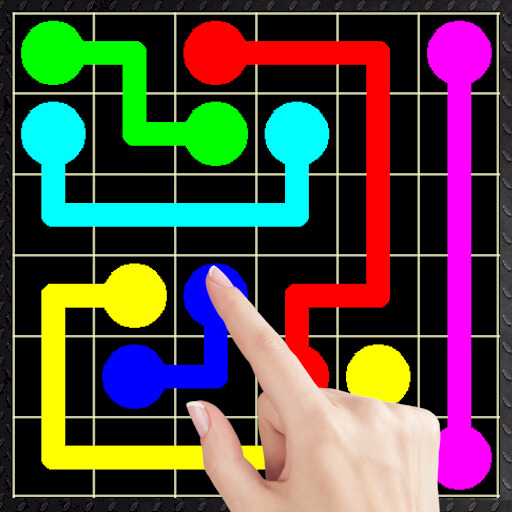
Link Line Puzzle offers a different reason to think about space. Before connecting a pair, ask which other route might need to cross that area. Treat each attempt as information, and take a break when you stop noticing new possibilities.
A small habit to keep
After an unsuccessful attempt, name the decision that caused the problem. “I closed the only corridor” gives your next attempt a clear starting point.